
Rent Is Too Expensive — What Can You Actually Do About It?
Rent takes a big bite out of your paycheck before you have even covered the essentials. Here is how to work out what housing really costs you, ask better questions before signing a lease, and keep saving even when your budget is tight.
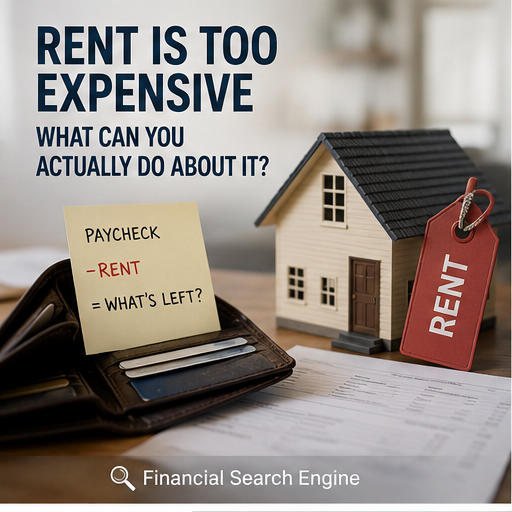
There is a particular kind of stress that comes when rent takes a big bite out of your paycheck and you haven't even spent it on the essentials yet.
You get paid, you feel relieved for about five minutes, and then the rent goes out and just like that, a large part of your savings and hard work is gone.
What's left still has to cover groceries, transport, electricity, internet, insurance, debt payments, school expenses, savings, and, somehow a little bit of life — and then you try to save whatever is left.
Then the next month's rent comes around. Again. Again. Again. If you've ever looked at your income and thought, "How am I supposed to afford everything when rent costs this much?", you're certainly not alone.
Housing is one of those expenses that is difficult to simply "cut back" on, compromise or not prioritise. You can cancel a subscription. You can eat out less. You can shop less.
But you still need somewhere to live.
And that's what makes rent such a difficult financial problem.
When Rent Starts Taking Over Your Budget
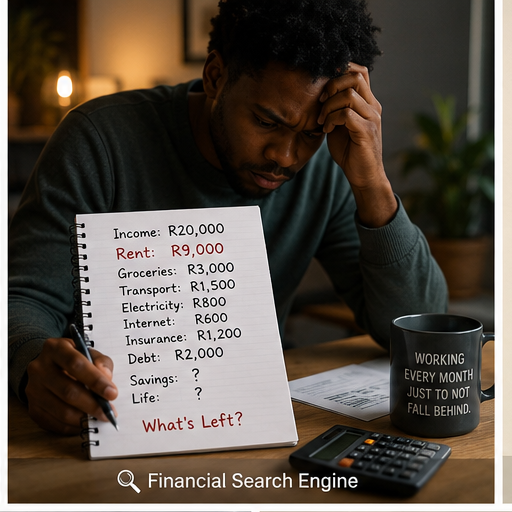
The problem isn't necessarily that you are spending recklessly. Sometimes, the biggest problem is simply the size of your housing expense compared with your income.
Imagine earning R20,000 a month and paying R9,000 in rent. Before buying groceries, filling the car, paying electricity or putting anything into savings, you've already committed almost half of your income to having a roof over your head.
That's a difficult position to be in, and when rent takes up too much of your income, everything else becomes a balancing act flooding you with stress.
Savings stall, unexpected expenses become emergencies, and suddenly you're working every month just so you don't overwhelm yourself financially. That's exhausting.
The First Step Is Understanding What Your Rent Is Really Costing You
Rent isn't always just the number written on your lease.
There may also be:
- Electricity
- Water
- Internet
- Transport costs
- Security costs
- Maintenance-related expenses
- Additional monthly costs
- Additional household expenses
A place may look affordable on paper but can become considerably more expensive once everything is added together. That's why it's useful to calculate your total housing cost, rather than looking at rent alone.
A simple budget can help you see the bigger picture. The Monthly Budget and Budget Planner tools, along with the financial calculators, make it easier to understand how different expenses affect your overall finances.
Sometimes, seeing the complete number is uncomfortable. But knowing the number gives you something you can work with.
Don't Just Ask, "Can I Afford the Rent?"
Ask a better question: "How will this affect me financially?"
A landlord may approve you for a particular rental price. That doesn't necessarily mean the property is comfortable for your budget.
There's a difference between being able to pay the rent and being able to afford the lifestyle that comes after paying the rent. If your rent leaves you with almost nothing at the end of the month, technically you may be paying it.
But financially, you're struggling.
Another better question to ask is:
"After paying rent and my essential expenses, do I still have enough money to live, save, handle emergencies, and enjoy my life without stressing?"
If the answer is no, the rent may simply be too expensive for your current income. Then you understand that it's time to make a change — because sooner or later you might not have a choice. Weigh your options, finances, responsibilities and obligations, and recognise all of that before signing a lease.
Sometimes You Need to Look at the Bigger Picture
When rent becomes too expensive, people often immediately start looking for tiny expenses to cut: cancel the streaming service, stop buying non-essentials, cook every meal at home.
Those changes can help.
But if you're spending R10,000 on housing while earning R20,000, saving R200 on subscriptions isn't going to completely solve the problem.
Sometimes you have to look at the large expenses first:
- Could you move to a less expensive area?
- Could you find a smaller place?
- Could you share accommodation?
- Could you negotiate your rent when your lease is renewed?
- Could you move closer to work and reduce transport costs?
- Could increasing your income make the current rent more manageable?
These aren't always easy choices, but they are some of the most important questions to ask, because large financial problems often require large financial solutions.
Moving Somewhere Cheaper Isn't Always Cheaper
This is an easy mistake to make.
You find a place that's R2,000 cheaper and immediately think you've saved R2,000. But what if the new place adds R1,500 to your monthly transport costs? Or requires you to spend more on fuel? Or adds an extra hour to your daily commute? Or increases other household expenses?
Suddenly, that cheaper apartment isn't quite as cheap as it looked.
When comparing homes, look at the total monthly cost of living, not just the advertised rent. A slightly more expensive home that saves you significantly on transport could actually leave you with more money at the end of the month.
Numbers can sometimes tell a very different story from the price on the rental listing.
Don't Let Expensive Rent Make You Give Up on Saving
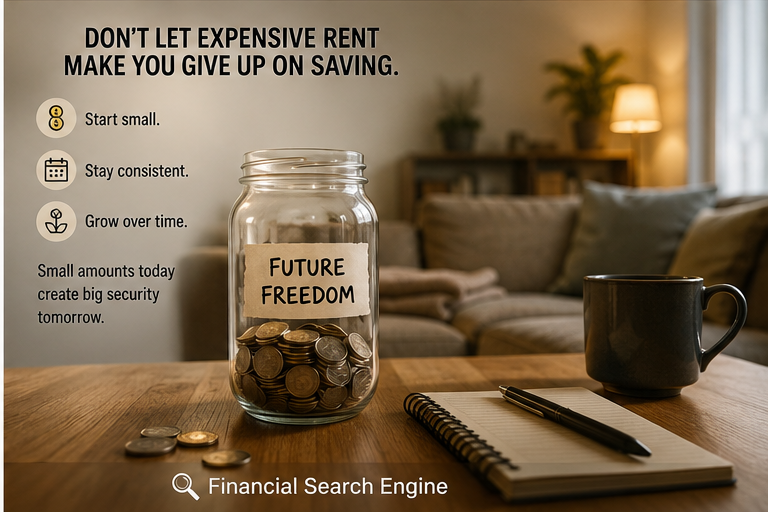
This is one of the easiest traps to fall into. You look at your expenses and think: "There's no point trying to save. I simply don't have enough left."
Maybe right now you genuinely don't have much left. But even a small amount can help create the habit.
- R100
- R200
- R500
The amount matters, but so does the consistency. If your budget is extremely tight, don't feel like you have to build a massive emergency fund overnight. Start with what you can realistically manage, then increase it when your circumstances improve.
The goal is to give yourself some financial breathing room over time. Because when something unexpected happens, having even a small amount saved can feel very different from having nothing.
The important thing is not to focus on only one number. Look at the entire financial picture.
Don't Compare Your Home to Someone Else's
This one can be surprisingly difficult. You see someone else's place and start wondering why you can't have the same thing.
But you don't know their financial situation. Maybe they earn significantly more. Maybe they have a partner sharing the expenses. Maybe their family helps them. Maybe they're spending far more on housing than they should.
Social media is very good at showing us people's homes. It isn't nearly as good at showing us their bank accounts.
Your home doesn't need to impress anyone. It needs to make financial sense for you — it shouldn't cause more stress, and it shouldn't put you in debt.